Office operations
Chit Fund Automation: A Practical Guide for Daily Office Work
Chit fund automation reduces repeated work when the underlying process is clear. Start with a specific task—such as recording collections or preparing reminders—and define who checks exceptions. Software supports staff; the company remains responsible for its records and decisions.
Start with one measurable problem
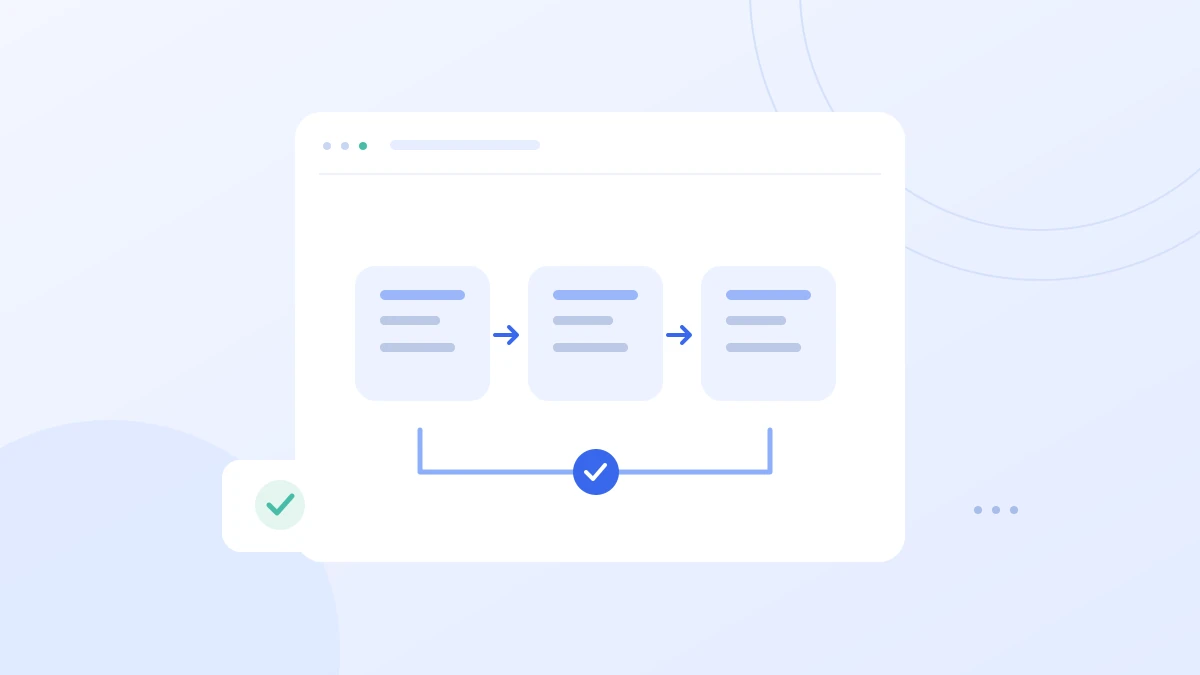
Write down the current steps, the person responsible and where information is entered twice. Record a baseline such as minutes spent reconciling a day’s collections or the number of receipts needing correction.
For example, a collector writes a paper receipt, calls the office and the office enters it again. A shared collection workflow can reduce re-entry, but only if the correct member, ticket, amount and payment method are captured once and checked.
Receipts and collection reconciliation
Define the required fields before automating: member identifier, group, ticket, date, amount, payment mode and reference. Keep receipt creation separate from confirmation of bank settlement.
Set rules for duplicate entries, partial payments, reversals and cash handovers. If a device loses connectivity or a save appears to fail, staff should verify whether a receipt already exists before entering another. Ask the vendor to demonstrate the actual behaviour.
Reminders and member communication
Use accurate due dates and balances. Test messages with staff before activating them, and stop or update a reminder after a payment is posted. Make the sender and contact route clear.
Agree who handles undelivered messages, wrong numbers and disputed balances. Confirm member communication preferences and the applicable platform rules. Messaging configuration, delivery and third-party charges should be checked during setup.
Auction records and calculations
Use approved group settings for the gross amount, commission, discount distribution and instalment adjustments. Check a sample calculation manually before relying on repeated calculations.
Require staff to review the recorded winning bid and member details before finalising the outcome. Corrections should retain a reason and an authorised review. Automation cannot turn an incorrect group setup into an accurate result.
Reports, access and recovery
Define a daily cut-off for receipt and cash reports. Assign responsibility for unexplained differences and review access when staff change roles or leave.
Ask who manages backups, how a restore is requested, and what recovery expectations apply. A successful backup and a successfully tested restore are different checks. Confirm the service scope and support process in writing.
Pilot before expanding
Test one group or one collection route with ordinary and exception cases. Include a partial payment, duplicate attempt, reversal, wrong-ticket entry and disputed balance. Reconcile the pilot totals with the old records before switching the wider team.
Train staff using their actual daily tasks, record unresolved issues and expand only after the agreed checks pass. Measure results against the baseline; do not promise a fixed percentage improvement without evidence.
See the Chit.biz Collection App and software feature checklist. Ask for a demonstration of the workflows your office needs.